The aerospace industry operates under extraordinary constraints. Every gram of weight affects fuel consumption, range, and payload capacity. Every component must withstand extreme temperatures, vibration, and mechanical stress. And every part must meet rigorous certification standards.

Selective Laser Sintering (SLS) has emerged as a manufacturing solution that addresses all these demands simultaneously. Unlike traditional machining, SLS produces complex, lightweight components directly from CAD data—without tooling costs and with design freedom that conventional methods cannot match.
This article explores why SLS 3D printing is becoming indispensable in aerospace manufacturing. You will learn about real-world applications, material considerations, and key market trends shaping the industry.
Why Aerospace Manufacturers Are Adopting SLS
The aerospace sector has been one of the earliest and most enthusiastic adopters of SLS technology. This is not surprising given the technology’s unique capabilities.
Unmatched Design Freedom
SLS enables geometries that are impossible with CNC machining or casting. Internal channels, lattice structures, and topology-optimized shapes can be printed in a single operation—without support structures. The unsintered powder bed naturally supports the part during printing, eliminating the need for removable supports that add design constraints.
Lightweighting Through Lattice Structures
Weight reduction is perhaps the most critical driver for aerospace SLS adoption. Lattice structures can reduce component weight by 30 to 50 percent while maintaining structural integrity. For aircraft and UAV applications, this translates directly into improved fuel efficiency and extended range.
No Tooling, Faster Iteration
Traditional aerospace manufacturing requires expensive molds and long lead times. SLS eliminates tooling costs entirely. Design changes can be implemented in CAD and printed the same day—compressing development cycles from months to days.
Production-Ready Materials
Modern SLS materials meet the demanding requirements of aerospace applications. Fiber-reinforced thermoplastic composites provide the mechanical resilience, thermal stability, and fatigue strength required for flight-critical components. These materials are validated for both functional prototyping and end-use production.
Real-World Aerospace Applications of SLS
SLS technology is already being used for a wide range of aerospace components.

UAV and Drone Components
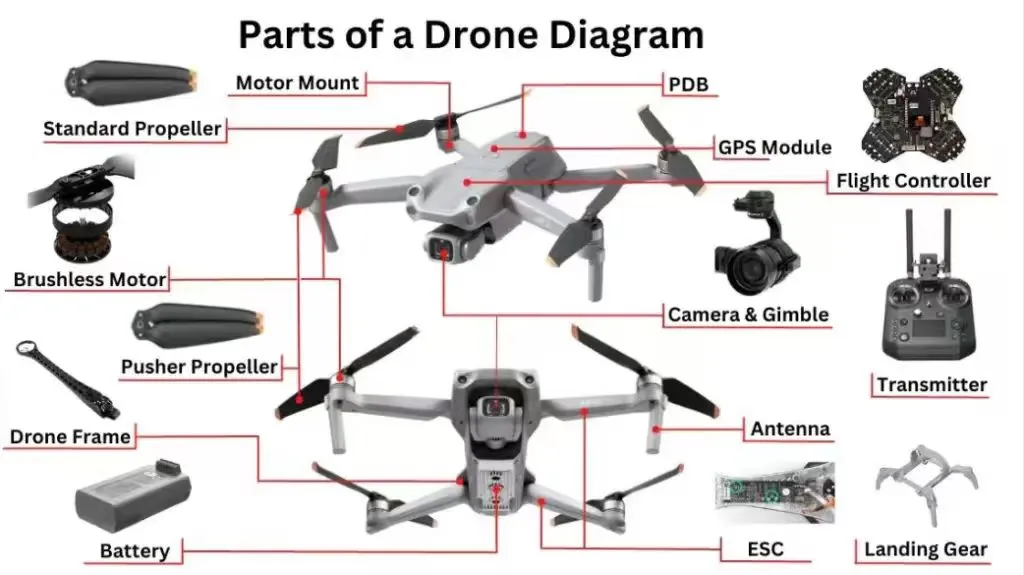
Unmanned aerial vehicles (UAVs) benefit significantly from SLS lightweighting. Structural components for UAV platforms—including airframes, housings, and mounting brackets—are increasingly manufactured using SLS. The technology enables complex internal geometries that improve aerodynamics while reducing mass.
Ducting and Air Management Systems
Flexible air ducts and airflow ducting are common SLS applications in aerospace. The ability to print complex internal channels without assembly makes SLS ideal for air management components that must navigate tight spaces while maintaining airflow efficiency.
Heat-Resistant Engine Components
SLS materials can withstand the demanding thermal conditions found near engines. Heat-resistant components like tarmac nozzle bezels and engine-adjacent brackets are being produced with SLS, leveraging the technology’s ability to create complex cooling channels.
Structural Brackets and Mounts
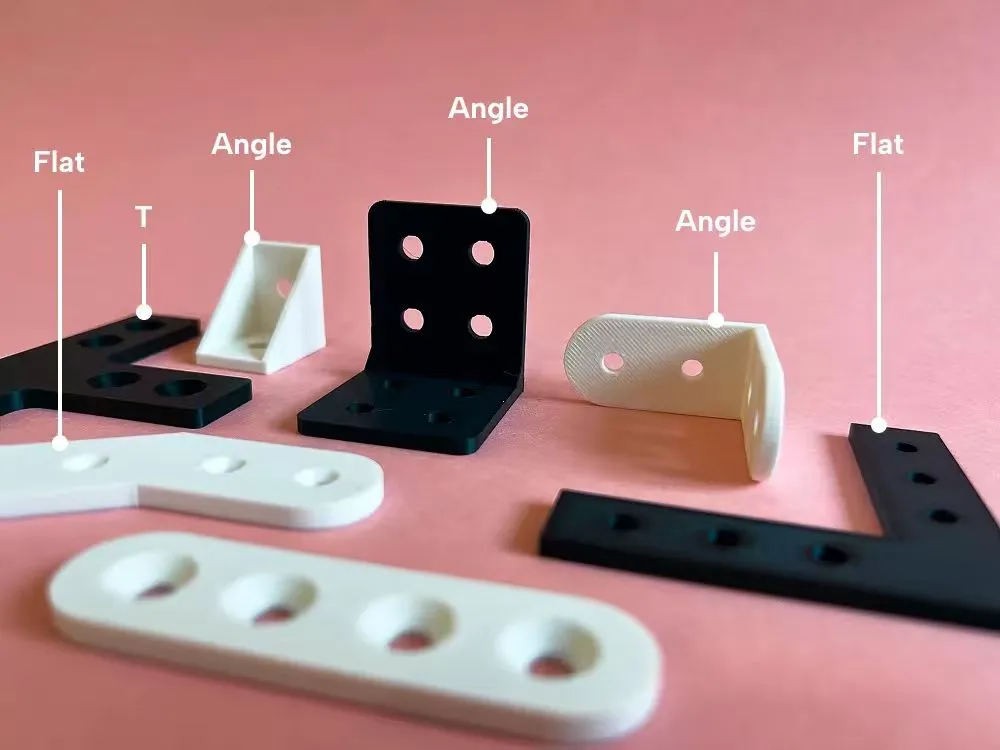
Aerospace-grade SLS components exhibit the mechanical properties required for load-bearing applications. Fiber-reinforced thermoplastics deliver the stiffness and strength needed for structural brackets, while the printing process enables topology optimization that removes unnecessary material.
Custom Tooling and Jigs
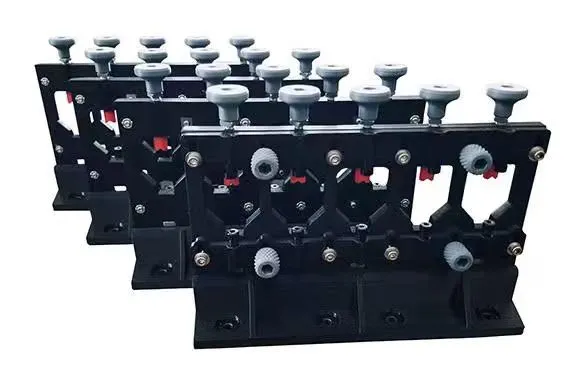
Beyond flight hardware, SLS produces assembly tools, inspection fixtures, and manufacturing aids. These components reduce production costs and lead times for both prototype and production programs.
Materials Powering Aerospace SLS
The capabilities of SLS in aerospace depend heavily on material selection.
Fiber-Reinforced Composites
Companies like CRP USA have developed fiber-reinforced thermoplastic composites specifically for demanding aerospace applications. These materials combine the design freedom of SLS with the mechanical properties of traditional engineering materials.
Windform materials, for example, are fiber-reinforced composites used in aerospace, defense, and mobility applications. They offer the thermal stability, fatigue resistance, and low mass required for UAV and aviation systems.
Engineering Nylons and Polyamides
PA12 and glass-filled nylon remain workhorse materials for aerospace SLS. They provide excellent chemical resistance, dimensional stability, and strength-to-weight ratios. These materials are used for both functional prototypes and production components.
High-Performance Polymers
As the SLS market expands, new materials are emerging. Biocompatible polymers for medical aerospace applications, high-temperature resins, and sustainable materials are being developed. The integration of advanced materials continues to broaden SLS applications.
Market Growth and Industry Adoption
The SLS market is growing rapidly, driven by aerospace adoption.
Market Projections
The selective laser sintering market is projected to grow from USD 4.2 billion in 2025 to USD 22.1 billion by 2034, at a CAGR of 20.3%. Aerospace and defense are among the key growth sectors.
Aerospace as a Primary Driver
Aerospace demand for lightweight, complex components is a major factor in this growth. The industry’s focus on precision and efficiency is projected to significantly propel the SLS market. North America, with its robust aerospace industry, is expected to maintain a significant market share.
Emerging Trends
Key trends shaping aerospace SLS include:
- Expansion of SLS for low-volume end-use part production
- Increasing use of high-performance polymer powders
- Integration of AI for process optimization and quality control
- Growing adoption of on-demand and distributed manufacturing
Frequently Asked Questions
Why is SLS preferred over other 3D printing technologies for aerospace?
SLS produces parts with consistent mechanical properties (excellent isotropy) and requires no support structures, making it ideal for complex geometries. Studies confirm SLS-printed PA12 parts deliver strong mechanical performance across tensile, flexural, and impact strength—critical properties for aerospace components.
Can SLS parts be used for end-use aerospace applications?
Yes. Fiber-reinforced SLS materials are used for production components in UAV platforms, aviation systems, and advanced mobility applications—not just prototypes.
What weight reduction is possible with SLS-printed aerospace parts?
Lattice structures and topology optimization can achieve weight reductions of 30 to 50 percent compared to traditionally manufactured components. This translates directly into fuel savings and extended range.
What materials are available for aerospace SLS?
Engineering materials include fiber-reinforced thermoplastics (such as Windform), PA12, glass-filled nylon, and other high-performance polymers. These materials offer thermal stability, fatigue resistance, and mechanical strength suited for aerospace applications.
How accurate are SLS-printed aerospace components?
Industrial SLS systems achieve ±0.2 mm dimensional accuracy, ensuring components meet the tight tolerances required for aerospace assemblies.
Conclusion
SLS 3D printing is transforming aerospace manufacturing by enabling lightweight, complex components without the cost and lead time of traditional tooling.
The technology’s ability to produce production-ready parts with consistent mechanical properties makes it increasingly valuable for aerospace applications—from UAV platforms and ducting systems to structural brackets and custom tooling.
As the SLS market continues to grow, driven by aerospace demand and material innovations, the technology will play an increasingly central role in aircraft and UAV manufacturing.