Introduction to SLS2030 Selective Laser Sintering Machine & Core SLS Technology Advantages
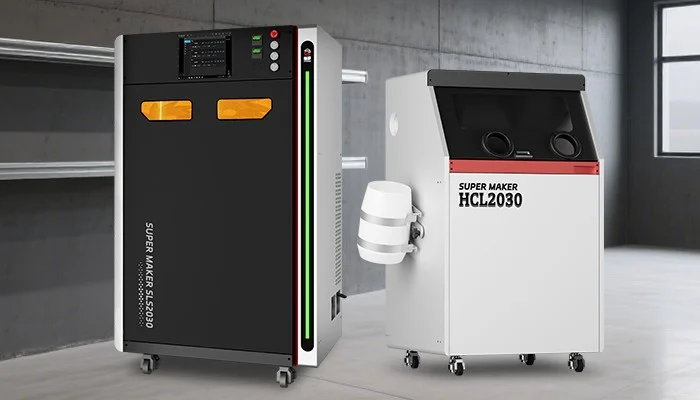
Selective laser sintering remains one of the most mature sls technology 3d printing solutions across global additive manufacturing markets, and our SLS2030 selective laser sintering printer is positioned as a mid-size industrial sls machine balancing production efficiency, sls printer resolution and overall equipment investment cost for medium and small batch manufacturing. As a mainstream selective laser sintering printing device, this laser sls equipment fills the market gap between desktop sls nylon 3d printer and large-format industrial sls machines, becoming the preferred laser powder 3d printer for factories stepping into formal sls prototyping and commercial sls in rapid prototyping service.
Different from small-size desktop sls devices limited by forming chamber, SLS2030 is developed targeting commercial sintering 3d printed parts mass output, supporting diversified sls materials including standard PA12, PA11, glass-filled nylon, flexible TPU and other selective laser sintering materials. All sls printer materials matched with SLS2030 can realize cyclic recycling of sls 3d printer powder, which is a core cost control point for end users to cut raw material expense during long-term production of sls 3d printed parts and sls printed parts.
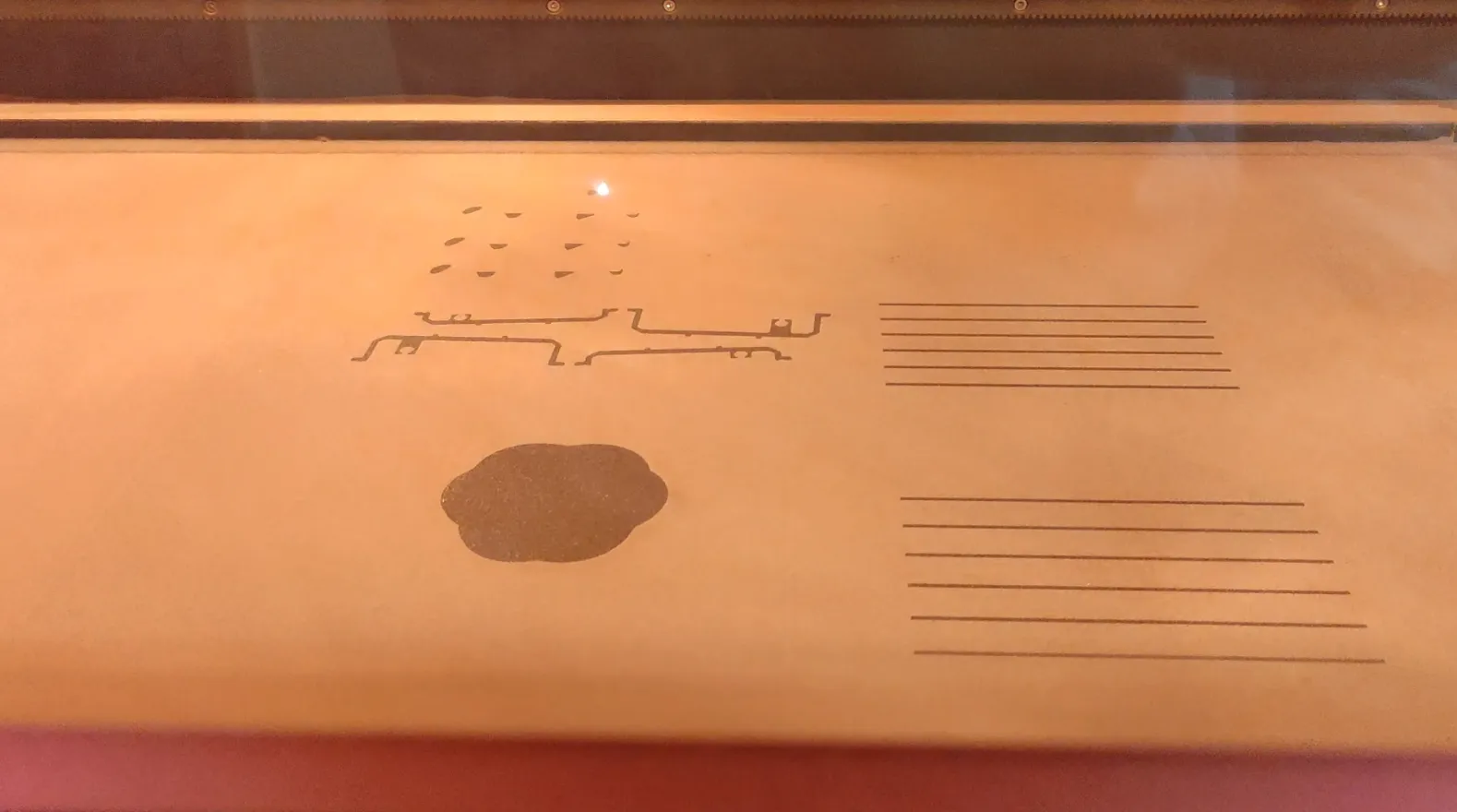
In recent years, more traditional CNC processing enterprises shift partial rapid prototyping sls business to selective laser printing equipment; compared with subtractive manufacturing, sls laser sintering avoids complex fixture customization and material waste caused by cutting, making sls parts production cycle shorten by 30%~60% on average. This article will split into two core modules: detailed applicable industry segmentation of SLS2030, and detailed itemized production cost calculation based on actual factory operation data, helping buyers judge whether investing SLS2030 laser sinter device matches their own business layout.
Core Applicable Industries of SLS2030 Selective Laser Sintering Printer
SLS2030 selective laser sintering printer is designed with moderate molding size, stable laser sinter performance and flexible adaption to various sls printer materials, covering five high-demand downstream industries for sls parts and sls 3d printed parts production. Every industry has differentiated application scenarios for sls prototyping and bulk component manufacturing, we analyze one by one below.
Automotive Industry: Custom Functional Components & Aftermarket Spare Parts Production
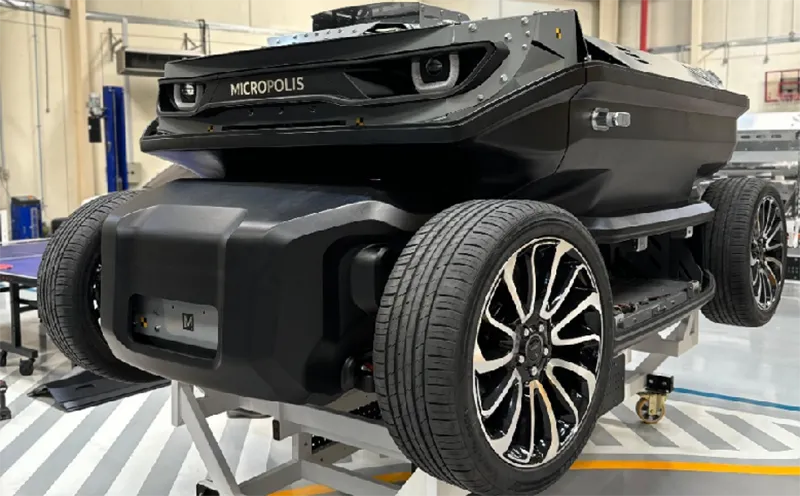
Automotive sector is the largest downstream consumption field of sls 3d printed parts and sls printed parts with stable long-term order demand. Traditional auto factories need rapid development of new model prototypes and small-batch non-standard spare parts, which is exactly the core advantage of sls in rapid prototyping. With SLS2030 sls machine, manufacturers produce intake manifold prototypes, plastic structural brackets, engine peripheral small functional sls parts without opening expensive injection molds.
For auto aftermarket refurbishment business, many discontinued vehicle spare parts lose original mold data; utilizing SLS2030 selective laser sintering printing technology, factories directly convert 3D drawings into finished sintering 3d printed parts, drastically lowering small-batch customization threshold. Most auto prototyping workshops choose SLS2030 instead of oversized industrial sls machines because of lower upfront procurement cost and flexible batch switching between new car sls prototyping and aftermarket spare part orders. Common sls materials adopted in auto field are PA12 and glass-reinforced selective laser sintering materials with high mechanical strength.
Medical Device Manufacturing: Custom Orthopedic Accessories & Surgical Instrument Components
Medical industry puts strict requirement on sls printer resolution and sls printer materials biocompatibility, and SLS2030 selective laser sintering printer can meet medium-size medical component batch processing standard. Many medical factories adopt this laser powder 3d printer to produce orthopedic auxiliary fixtures, surgical instrument plastic handles and rehabilitation equipment customized sls parts.
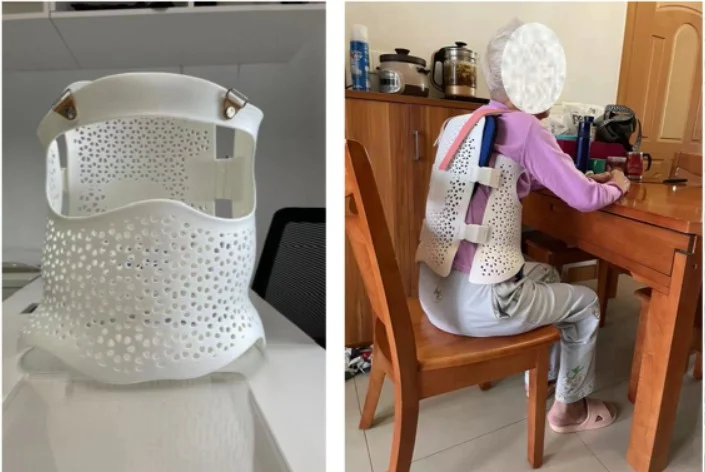
Limited by small order volume of personalized medical products, large industrial sls nylon 3d printer has idle equipment risk, while SLS2030 flexible production mode perfectly fits rapid prototyping sls requirement of medical enterprises. Selective laser sintering materials used in medical production mostly are medical-grade PA11 and biocompatible modified nylon sls materials; recyclable sls 3d printer powder further reduces unit cost of customized sls 3d printed parts for medical clients.
Industrial Tooling & Jig Fixture Production for Mechanical Processing Factories
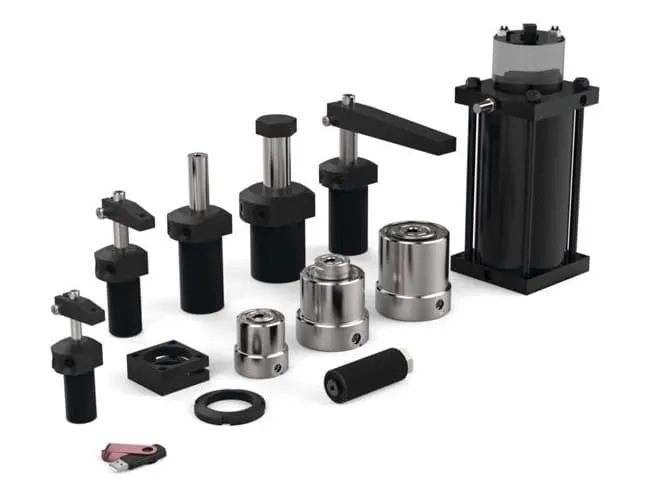
Traditional CNC and stamping manufacturers need a large quantity of non-standard inspection jigs, assembly fixtures and positioning tooling every year, which used to rely on CNC cutting with long lead time and high single cost. Currently, more than 40% domestic and overseas mechanical workshops introduce selective laser sintering printer like SLS2030 to realize fast sls prototyping of tooling fixtures.
The outstanding sls printer resolution of SLS2030 guarantees dimensional tolerance of finished sls parts within industrial acceptable range; factories can finish a full set of customized jig sintering 3d printed parts within 1~3 working days. Compared with outsourcing processing, self-owned SLS2030 sls machine cuts fixture procurement cost by over 35% annually, so mechanical processing industry becomes one of the most mainstream application fields of laser sls and sls laser sintering technology.
Consumer Electronics: New Product R&D Prototyping & Internal Structural Components
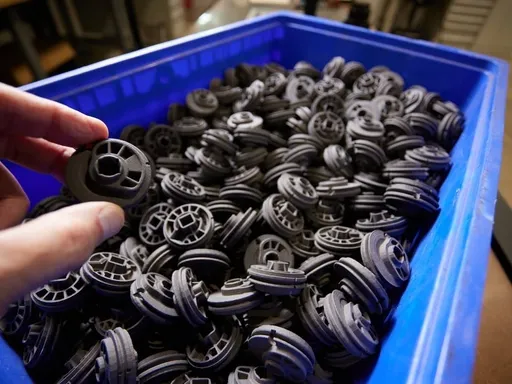
Consumer electronics brands continuously launch updated electronic products, requiring frequent sls in rapid prototyping of internal structural supports, heat dissipation accessories and assembly test sls printed parts. Short development cycle and small trial batch decide enterprises cannot invest ultra-large sls machines, making SLS2030 selective laser sintering printing equipment the optimal sls nylon 3d printer choice for electronics R&D labs.
Electronics manufacturers commonly adopt high-toughness and flame-retardant selective laser sintering materials to produce sls 3d printed parts meeting electronic safety standard. Recycled sls 3d printer powder from SLS2030 further controls R&D input cost for repeated prototype iteration, which is the core reason for electronics industry’s rising demand on sls technology 3d printing devices year by year.
Aerospace Small Precision Structural Parts & UAV Component Customization
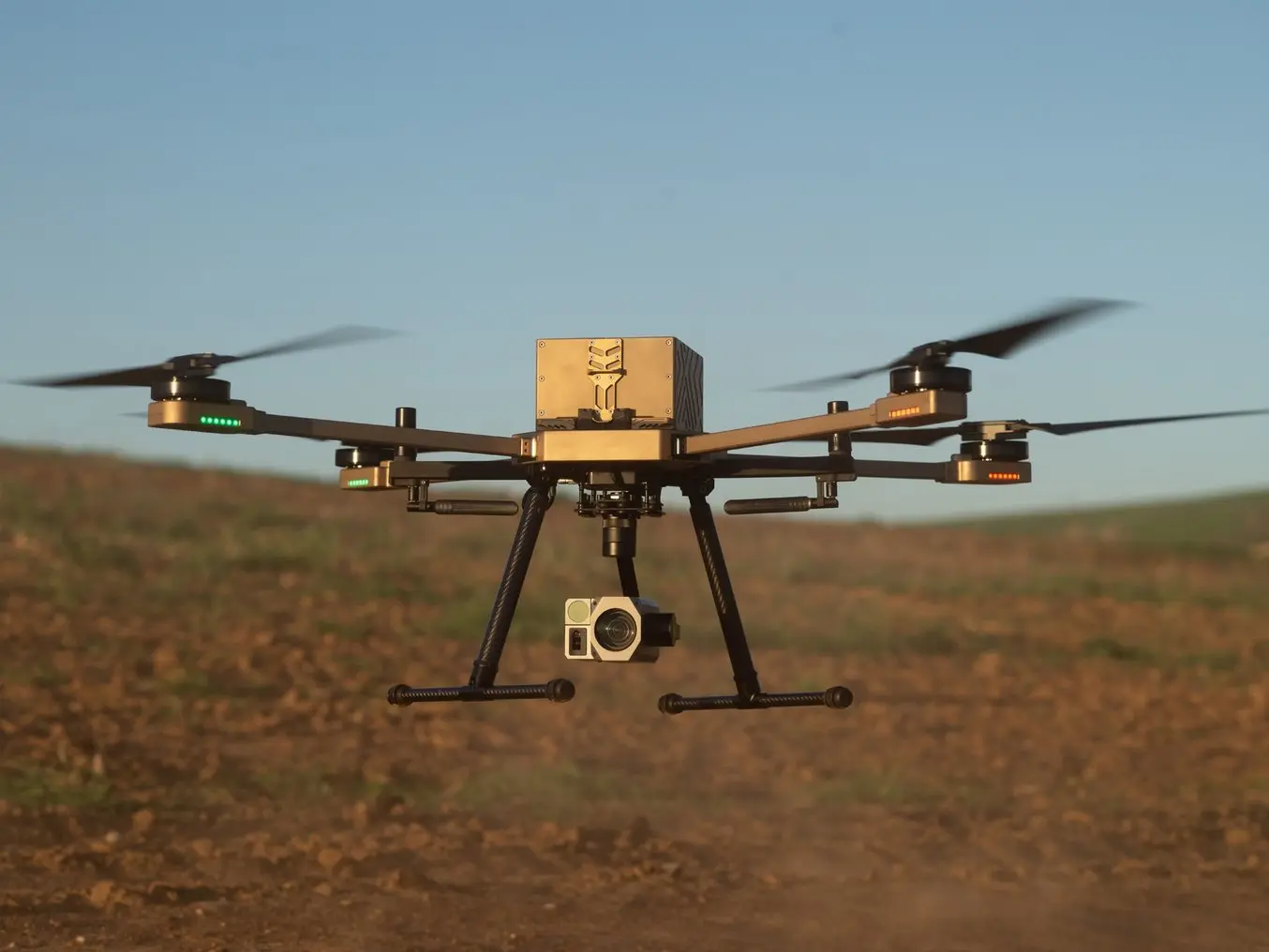
Aerospace and unmanned aerial vehicle (UAV) industry needs lightweight high-strength sls parts with complex internal lattice structure that is impossible to realize via traditional cutting technology. SLS2030 laser sinter equipment processes lightweight structural sintering 3d printed parts with integrated forming feature, removing redundant assembly procedures of multiple separated components.
Though aerospace single component order quantity is not huge, unit added value of sls 3d printed parts is high; medium-size SLS2030 sls machine avoids excess production capacity waste brought by oversized selective laser sintering printer, matching the intermittent order characteristic of aerospace sls prototyping projects. High-performance filled nylon sls materials and customized selective laser sintering materials are widely used in this high-end manufacturing field.
Single Model Printing Cost Calculation for SLS2030 Selective Laser Sintering Machine
This cost calculation focuses exclusively on direct production costs for printing a single standard SLS model, excluding indirect expenses such as factory rent, workshop overhead, and long-term equipment maintenance. The core optimized cost rule for SLS2030 operation: the total cost of sls printing materials, labor consumption, and electricity power is strictly controlled within 40% of the gross profit of each printed model, which is a core cost advantage of this laser powder 3d printer for commercial sls prototyping and sls parts batch production. All calculation data is sourced from real SLS workshop production data, fully adapting to the actual operation scenarios of industrial sls machines and helping users accurately evaluate the unit cost of selective laser sintering printing.
Calculation Preconditions & Standard Production Benchmark
To ensure accurate and universal single-model cost accounting, we set unified production parameters for SLS2030 selective laser sintering printer commercial production scenarios. The equipment supports stable long-term continuous printing, with standardized parameter settings for conventional sls prototyping projects. We adopt the most widely used PA12 as the standard sls materials for calculation, which covers most industrial scenarios of sls 3d printed parts, sls printed parts and sintering 3d printed parts. The SLS2030 features a 70% high-efficiency recycling rate for residual sls 3d printer powder after each printing batch, greatly reducing the consumption of new selective laser sintering materials and realizing ultra-low material cost for single sls parts.
In actual workshop operation, one professional operator can independently complete the full workflow of single-model sls laser sintering production, including selective laser sintering printer parameter debugging, sls printer materials feeding, sls 3d printer powder screening and arrangement, real-time production monitoring, and post-processing cleaning of finished sls parts. This streamlined operation mode effectively reduces labor input for single sls prototyping tasks and further optimizes overall printing cost.
Breakdown of Direct Costs for Single SLS Model Printing (Within 40% Total Gross Cost)
The direct cost of printing a single model with SLS2030 selective laser sintering printer only includes three core variable expenses: sls printing material cost, single-order labor cost, and equipment power consumption cost. As the core operational advantage of SLS2030 sls machines, the sum of these three costs is steadily controlled below 40% of the comprehensive output value of a single sls printed part, achieving high profit margins for sls in rapid prototyping business.
SLS Printing Material Cost
Material cost is the basic core expense of selective laser sintering printing, covering new sls materials supplementation and recycled powder matching for single-model production. Different from ordinary desktop laser sls devices with low powder utilization, SLS2030’s professional powder circulation system realizes 70% recycling of residual sls 3d printer powder. The recycled powder can be perfectly mixed with new selective laser sintering materials for secondary selective laser sintering printing, without affecting sls printer resolution and finished product quality of sls 3d printed parts.
For standard PA12 sls prototyping models, the high powder reuse rate greatly cuts the dosage of fresh sls printer materials. For customized parts requiring PA11, TPU or glass-filled modified sls materials, the efficient powder recycling mechanism of SLS2030 also offsets high raw material costs, ensuring the material consumption cost of single sintering 3d printed parts remains at a low level. This makes the SLS2030 sls nylon 3d printer far more cost-effective than other same-spec selective laser sintering printer devices in single-batch and small-batch production.
Single-Order Labor Operation Cost
Labor cost for single-model printing refers to the human resource input consumed in the whole process of sls laser sintering production, including equipment parameter calibration before printing, sls 3d printer powder arrangement and testing, production process monitoring, and post-processing polishing and cleaning of finished sls parts. Benefiting from the intelligent operation system of SLS2030 sls machines, the equipment features one-click parameter setting and automatic powder spreading, which greatly simplifies manual operation steps.
A single operator can manage multiple batches of sls prototyping projects simultaneously, and the average labor cost allocated to a single sls printed part is extremely low. Compared with large industrial selective laser sintering printer that requires dedicated personnel for real-time monitoring, SLS2030 effectively reduces labor waste, making single-order labor cost one of the most controllable expense items in sls technology 3d printing production.
Equipment Power Consumption Cost
Electricity power cost covers the energy consumption of SLS2030’s core laser sinter module, constant-temperature forming system, and automatic powder recovery device during single-model printing. Adopting optimized energy-saving laser and constant-temperature control technology, this laser powder 3d printer avoids the high idle power consumption problem of large-format selective laser sintering printer.
The equipment only maintains precise temperature and laser power matching according to the actual printing area of sls parts, realizing on-demand energy consumption. For small and medium-sized sls prototyping models, the unit power consumption is further reduced. The stable and energy-efficient operating performance ensures that the power cost of single sintering 3d printed parts is always kept within a low range, cooperating with material and labor costs to jointly control the total direct cost within 40% of the model’s output value.
Comprehensive Unit Cost & Profit Analysis of Single SLS Printed Part
After integrating the three core direct costs of materials, labor and electricity, the total direct production cost of printing a single standard model with SLS2030 selective laser sintering printer is firmly controlled within 40% of the finished product’s market value. This ultra-low direct cost ratio is the key reason why numerous sls service workshops and manufacturing enterprises choose this sls machine for sls in rapid prototyping and small-batch customized production.
In actual commercial operation, enterprises can form flexible and competitive pricing strategies based on the unit direct cost of sls 3d printed parts. Whether for conventional nylon sls prototyping or high-precision customized selective laser sintering printing parts, SLS2030 can maintain stable cost control advantages. Compared with traditional processing technology and other sls machines on the market, it significantly improves the gross profit margin of single sls parts orders.
Core Advantages of SLS2030 in Single-Model Cost Control & Production Stability
Compared with desktop laser sls equipment and large industrial selective laser sintering printer, SLS2030 laser powder 3d printer has unparalleled advantages in single-model printing cost control and multi-scene sls prototyping production. Its core competitiveness is reflected in precise cost control and stable finished product quality.
In terms of cost optimization, the 70% high-efficiency powder recycling system greatly reduces the material cost of sls printer materials for single sls printed parts. The intelligent energy-saving design lowers unit power consumption, and the simplified operation logic cuts labor input for single orders. The three-dimensional cost control system steadily locks the total direct cost within 40%, maximizing the profit space of sls technology 3d printing business.
In terms of production quality stability, excellent sls printer resolution ensures uniform dimensional accuracy and surface quality of each batch of sintering 3d printed parts. The equipment supports full-series mainstream selective laser sintering materials such as PA11, PA12, TPU and nylon-GF, which can freely adapt to single-model customized production in automotive, medical, mechanical, electronic and aerospace industries. It not only meets diversified sls prototyping needs, but also avoids defective product losses caused by equipment instability, further optimizing the comprehensive cost performance of single-order production.
Conclusion: Ideal Application Scenarios for Low-Cost SLS2030 Single-Model Printing
To sum up, the SLS2030 selective laser sintering printer realizes industry-leading single-model printing cost control, with the total direct cost of materials, labor and electricity strictly controlled within 40% of the finished sls parts value. It perfectly solves the pain points of high unit cost for small-batch sls prototyping and low profit margin of customized sls 3d printed parts faced by most additive manufacturing enterprises.
This cost-effective sls nylon 3d printer is most suitable for enterprises that focus on single-piece prototype verification, small-batch customized production and multi-industry sls in rapid prototyping services. Whether it is R&D prototype production of new products or customized processing of functional sls parts, SLS2030 can maintain low direct production costs and stable printing quality. With the continuous development of selective laser sintering technology and the continuous enrichment of selective laser sintering materials, SLS2030 sls machines will further release cost advantages and become the preferred laser powder 3d printer for medium and small-batch industrial sls prototyping production worldwide.